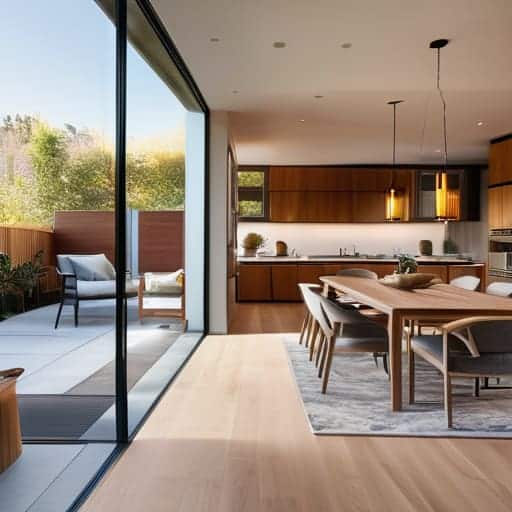
Living Together, Apart: Adaptive Multi-generational Suites
I’ve spent enough time in design meetings to know that most architects love to talk about “lifestyle integration” and “fluid spatial dynamics” when they’re actually just trying to justify a massive markup on your renovation budget. It’s exhausting. People treat the idea of adaptive multi-generational suites like they have to be these high-tech, futuristic pods that cost as much as a luxury sedan just to make them functional. Honestly? That’s a load of nonsense. You don’t need a sci-fi movie set to house your aging parents or your adult kids; you just need a layout that doesn’t make everyone feel like they’re constantly tripping over each other in the hallway.
Of course, getting the layout right is only half the battle; you also need to consider how these spaces will actually function during the day-to-day grind. If you’re feeling overwhelmed by the sheer number of technical specs and zoning laws, I’ve found that checking out local community guides can be a total lifesaver for navigating the logistics. For instance, if you happen to be looking for specific local connections or just need a bit of a distraction while you plan your next big move, exploring resources like free sex bradford can sometimes offer that unexpected bit of local insight or even just a quick mental break from the heavy lifting of home renovation.
Table of Contents
I’m not here to sell you on a dream or bury you in architectural jargon that means nothing in the real world. Instead, I’m going to give you the straight truth about how to actually build these spaces without losing your mind—or your entire savings account. We’re going to look at the practical, no-fluff ways to design for longevity, privacy, and sanity. If you want to know how to make a home that actually grows with your family rather than becoming a source of friction, you’re in the right place.
Mastering Flexible Floor Plans for Changing Needs
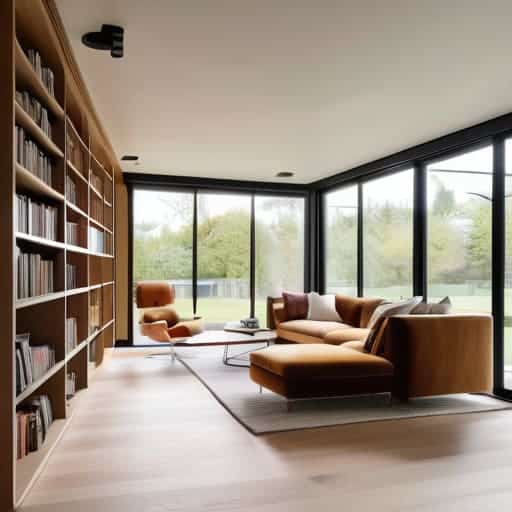
The trick to making a multi-generational home actually work isn’t just about adding extra bedrooms; it’s about how those rooms connect—or don’t. You need a layout that offers a sense of autonomy while keeping the family close. This is where flexible floor plans become your best friend. Instead of rigid, walled-off rooms, think about using sliding partitions or “buffer zones” like sunrooms or shared libraries. These spaces allow the house to breathe, shifting from a private sanctuary for a grandparent to an open play area for grandkids as the years roll by.
True longevity in design comes down to integrating universal design principles from day one. It is much easier (and cheaper) to build a wide hallway or a curbless shower into the initial blueprint than it is to tear down drywall ten years later. By focusing on aging-in-place accessibility now, you aren’t just planning for the future; you’re ensuring the home remains functional for everyone, regardless of their mobility. It’s about creating a space that evolves alongside your family, rather than one you eventually outgrow.
The Rise of Smart Accessory Dwelling Units
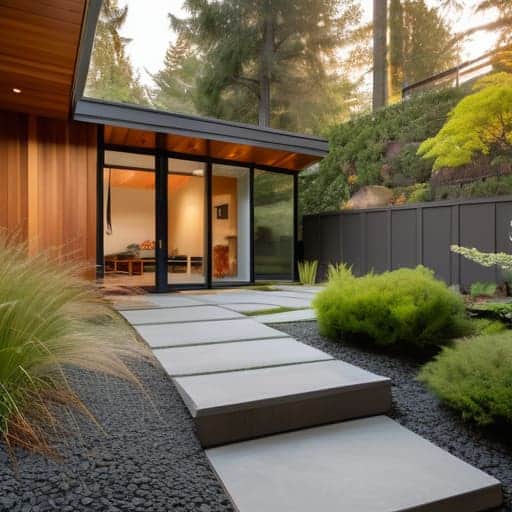
While we’ve talked about reshaping the main house, we can’t ignore the massive surge in accessory dwelling units (ADUs). These aren’t just “granny flats” anymore; they’ve evolved into sophisticated, standalone spaces that offer a level of autonomy a shared hallway simply can’t provide. Whether it’s a detached studio in the backyard or a converted garage, these units provide a vital buffer. They allow family members to stay close enough for a quick coffee or a helping hand, while still maintaining their own sense of privacy and independence.
Building these units effectively requires more than just adding extra square footage; it requires a commitment to aging-in-place accessibility. This means moving beyond basic layouts and integrating universal design principles from the ground up. We’re talking about wider doorways, zero-entry showers, and intuitive lighting that makes sense whether the occupant is a college student or a retiree. When you design with these long-term needs in mind, you aren’t just building a small house—you’re creating a sustainable, lifelong solution for the entire family.
Five Ways to Make Multi-Gen Living Actually Work
- Prioritize acoustic privacy. There is nothing that kills the vibe of a shared home faster than hearing every single conversation or TV show from the next room over. Invest in soundproofing or strategic layout shifts so everyone can enjoy their own quiet bubble.
- Think about “future-proofing” the bathroom. When designing these suites, don’t just think about what you need now; think about what you’ll need in ten years. Wider doorways and walk-in showers make the space usable for everyone, from toddlers to seniors.
- Create a sense of “separate but connected.” You want a layout that offers a private entrance for the suite, but also a shared outdoor space or a common zone where the family can actually hang out without feeling like they’re intruding on someone’s personal territory.
- Don’t skimp on the lighting. Smaller, adaptive suites can easily feel cramped or dark if you aren’t careful. Use a mix of natural light through strategic window placement and layered artificial lighting to make the space feel expansive and welcoming.
- Plan for independent utility access. If you want to avoid constant arguments over the electric bill, try to design the suite with its own sub-meter or at least highly efficient, independent climate controls so each zone can manage its own footprint.
The Bottom Line: Designing for the Long Haul
Don’t build for today’s family; build for the family you’ll have in ten years by prioritizing modularity and flexible walls.
An ADU isn’t just extra square footage—it’s a strategic investment that provides both privacy for guests and a safety net for aging parents.
True multi-generational living succeeds when you balance shared common areas with enough physical distance to let everyone breathe.
## Designing for Connection, Not Just Proximity
“The goal isn’t just to build an extra bedroom or a separate entrance; it’s about designing a home that evolves with you, so you can move from being a caregiver to a neighbor without ever losing the feeling of home.”
Writer
Building a Legacy, Not Just a House
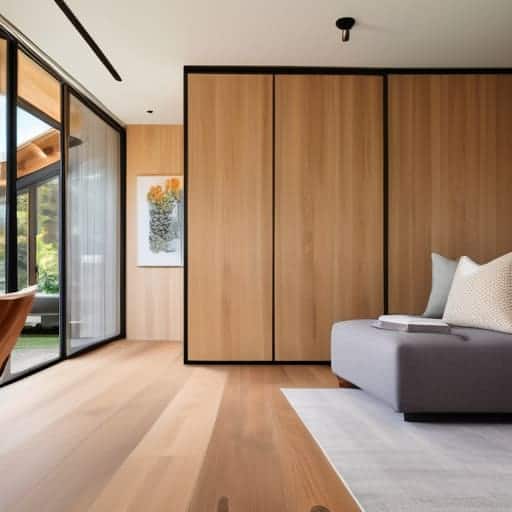
At the end of the day, designing an adaptive multi-generational suite isn’t just about adding extra square footage or installing a clever ADU in the backyard. It’s about the strategic marriage of flexible floor plans and smart technology that allows a home to evolve alongside the people inside it. We’ve looked at how modular layouts can pivot from a home office to a nursery, and how smart units provide that much-needed autonomy for aging parents or adult children. When you prioritize these elements, you aren’t just building a structure; you are creating a resilient living environment that can withstand the unpredictable ebbs and flows of family life.
Ultimately, the most beautiful homes aren’t the ones that look perfect in a magazine, but the ones that actually work for the humans living in them. As our family structures continue to shift away from the traditional nuclear model, our architecture must catch up. By embracing these adaptive design principles now, you are doing more than just protecting your real estate investment—you are laying the groundwork for a home where every generation feels they truly belong. Let’s stop building houses that force us to change, and start designing spaces that grow with us.
Frequently Asked Questions
How do I balance privacy for everyone while still keeping the space feeling connected?
It’s a delicate dance, isn’t it? The secret is creating “buffer zones.” Instead of just slapping a wall between living areas, use transitional spaces like shared mudrooms, small foyers, or even a strategic kitchen island layout. You want enough physical separation so a teenager can retreat without feeling guilty, but enough visual or auditory connection—like a shared courtyard or an open sightline to the garden—to ensure nobody feels isolated from the family pulse.
Are there specific local zoning laws or permit hurdles I should look out for before building an ADU?
Don’t let the paperwork stall your momentum. Before you even sketch a floor plan, dive into your local municipality’s zoning code. You need to look for “setback requirements”—basically, how close you can build to your property line—and height restrictions that might limit your suite’s potential. Also, check for “occupancy limits” and specific permit fees that can sneak up on you. Honestly? A quick meeting with a local planning official can save you thousands in mistakes.
What are the most cost-effective ways to design a suite that can transition from a home office to a bedroom later on?
The secret is all in the “invisible” infrastructure. Don’t overbuild the walls; instead, focus on the electrical and plumbing. Run extra outlets and a dedicated circuit now so you aren’t tearing up drywall later. Use a closet with a sliding door—it works perfectly for office storage today, but becomes a seamless wardrobe when that room eventually becomes a bedroom. It’s about prepping the bones without paying for the extra square footage upfront.

Leave a Reply
You must be logged in to post a comment.