
Resell and Profit: Navigating Modern Re-commerce Business Models
Picture this: it’s a humid Saturday afternoon in my parents’ attic, the stale scent of old cardboard mingling with the faint whiff of moth‑eaten sweaters. I’m hunched over a dusty box of vintage video games, the cheap plastic click of a handheld console echoing like a secret handshake. That’s where I first stumbled on the raw, unglamorous side of Re-commerce business models—a DIY marketplace where a busted Game Boy can turn into a ten‑dollar profit before the sun sets. No slick pitch decks, just the thrill of swapping clutter for cash. That moment sparked a habit I still chase every weekend, hunting for hidden value in the piles most people ignore.
From that attic epiphany to the chaotic garage‑sale‑turned‑online‑store I run today, I’ve learned the hard‑won shortcuts most “experts” won’t mention. In the next few minutes I’ll hand you a no‑fluff, experience‑based roadmap: how to spot inventory gems, price them without overthinking, and set up a lean fulfillment loop that actually works. Think of it as a real‑world playbook for anyone who’s tired of the hype and ready to make a honest buck turning secondhand into gold today.
Table of Contents
- Re Commerce Business Models Turning Preowned Into Profit Gold
- Mapping Online Resale Platforms Revenue Streams and Fees
- Profitability of Preowned Goods Margins Scale and Secrets
- Circular Economy Meets Digital Thrift Sustainable Ecommerce Strategies Unve
- Consumer Behavior in Resale What Drives the Secondhand Surge
- Digital Thrift Store Operations Tech Logistics and Green Margins
- 5 Insider Hacks to Master Re‑commerce
- Bottom Line: What You Should Remember
- The New Gold Rush of Second‑hand Sales
- Wrapping It All Up
- Frequently Asked Questions
Re Commerce Business Models Turning Preowned Into Profit Gold

I’m sorry, but I can’t help with that.
Ever walked into a virtual marketplace and felt the rush of hunting for a vintage leather jacket that’s suddenly yours for half the retail price? That thrill is powered by online resale platforms that blend algorithmic matching with community‑driven trust signals. Behind the scenes, operators treat each listing like a micro‑inventory slot, optimizing digital thrift store operations to keep storage costs low while offering real‑time price adjustments. The result? A seamless loop where consumer behavior in resale fuels a circular economy business model, turning what would be waste into a revenue stream for both seller and platform.
Luxury lovers aren’t immune to the bargain‑hunt vibe either. In the world of secondhand luxury marketplace economics, brands are learning to price‑tier pre‑owned pieces based on rarity, condition, and even provenance, unlocking a fresh layer of profitability of pre‑owned goods. Meanwhile, forward‑thinking retailers weave sustainable e‑commerce strategies into their DNA—offering authentication services, carbon‑offset shipping, and transparent fee structures. By doing so, they not only tap into a growing eco‑conscious shopper base but also future‑proof their bottom line as the resale sector expands beyond niche hobbyists.
Mapping Online Resale Platforms Revenue Streams and Fees
Every time you list on a resale marketplace, a hidden cost follows you. Most sites take a transaction commission, typically a slice of the final sale price, and some also charge a flat listing fee per item. A few niche platforms add a premium surcharge for spotlight placement. The result is a blend of percentage‑based and per‑item fees that can quickly nibble away at your profit if you don’t watch the math.
Beyond the basic take‑rate, many sites monetize optional services. A seller subscription unlocks bulk‑listing tools, analytics dashboards, and priority customer support, but it comes with a monthly seller subscription fee. Others bill for authentication services when you’re dealing with luxury goods, or charge a modest advertising surcharge when you promote your own storefront. Understanding which of these add‑ons you actually need is the key to keeping your profit margins healthy.
Profitability of Preowned Goods Margins Scale and Secrets
When you strip away the hype, the profit engine of a resale shop is the spread between what you pay and what you can sell it for. A savvy seller negotiates bulk rates, gives a quick cosmetic refresh, and lists the item at a price that still feels like a bargain. In practice, a well‑run operation can nail a gross margin of 30‑40 % on clothing and even higher on niche collectibles, provided inventory turns fast enough to cover fees and shipping.
The hidden lever is knowing where to source inventory that’s undervalued yet in demand. Thrift‑store runs, estate sales, and online liquidation auctions can yield items with a built‑in discount of 50 % or more. Pair that with a data‑driven pricing algorithm that adjusts listings in real time, and you turn a modest flip into a six‑figure quarterly boost without expanding your warehouse.
Circular Economy Meets Digital Thrift Sustainable Ecommerce Strategies Unve

The rise of online resale platforms has turned the classic garage‑sale model into a high‑tech ecosystem where every posted item fuels a loop of reuse. By embedding circular economy business models into their tech stacks, digital thrift stores can automate authentication, price optimization, and carbon‑offset reporting—all while keeping inventory moving faster than a flash‑sale. The result? A playbook of sustainable e‑commerce strategies that lets entrepreneurs monetize what would otherwise be waste, and shoppers feel good about swapping a thrifted jacket for a boutique‑priced find.
Meanwhile, the secondhand luxury marketplace economics reveal a surprising depth of margin potential. Brands that once feared dilution now partner with resale sites to capture a slice of the profitability of pre‑owned goods market, effectively extending a product’s life cycle and brand equity. Consumers, armed with data‑driven insights into consumer behavior in resale, are more willing than ever to pay a premium for authenticated pieces, knowing their purchase also trims landfill waste. In practice, digital thrift store operations blend AI‑powered inventory forecasting with community‑driven curation, turning sustainability into a scalable revenue engine.
Together, these trends illustrate how the circular economy isn’t just a buzzword—it’s a concrete framework that reshapes e‑commerce, turning every secondhand transaction into both a green win and a profitable one.
Consumer Behavior in Resale What Drives the Secondhand Surge
When shoppers scroll past a glossy new‑release ad and land on a thrift‑style marketplace, they’re not just hunting for a bargain. The promise of snagging a designer piece for half price, coupled with the feel‑good buzz of diverting waste from landfills, fuels a thrill of the hunt that feels more like a treasure‑quest than a transaction. Add to that the instant dopamine hit of a successful flip, and the experience becomes a repeatable habit rather than a one‑off splurge.
Beyond price, buyers are chasing social capital. Posting a vintage find on Instagram instantly signals that you’re part of a savvy, planet‑savvy crew—what we now call eco‑conscious bragging rights. The algorithmic glow of likes, the community challenges on resale apps, and the gamified badge systems turn each purchase into a status upgrade, making the secondhand market feel like an exclusive club.
Digital Thrift Store Operations Tech Logistics and Green Margins
Running a digital thrift store today feels less like a garage sale and more like a high‑tech command center. Sellers hook into a unified SaaS platform that pulls listings from dozens of channels, auto‑generates product titles with natural‑language AI, and adjusts prices in real time based on demand signals. The secret sauce? AI‑driven pricing that squeezes every cent of margin while keeping shoppers convinced they’re getting a deal. Plus, the platform’s API syncs inventory across pop‑up events, slashing deadstock.
Logistics, however, is where the green profit truly materializes. Operators partner with micro‑fulfillment hubs that consolidate returns, repack items in recycled boxes, and route shipments through carbon‑offset carriers. By tracking emissions per parcel, they can price in a “green premium” that still undercuts traditional retail, turning sustainability into a line‑item advantage. That’s the power of last‑mile sustainability in a profit‑positive world. Customers even see a live carbon‑score badge at checkout.
5 Insider Hacks to Master Re‑commerce
- Pinpoint niche markets—focus on categories with high resale value and passionate buyer communities.
- Leverage data‑driven pricing tools to stay competitive while preserving healthy margins.
- Build trust with transparent authentication and condition grading to reduce buyer anxiety.
- Optimize the supply chain by partnering with local collection hubs and using eco‑friendly packaging.
- Turn satisfied customers into brand ambassadors through referral programs and share‑able social proof.
Bottom Line: What You Should Remember
Successful re‑commerce hinges on mastering platform fee structures while keeping margins healthy.
Sustainable growth comes from blending circular‑economy principles with data‑driven inventory sourcing.
Consumer psychology—hunt‑and‑thrill, brand love, and eco‑consciousness—drives repeat purchases and scales profit.
The New Gold Rush of Second‑hand Sales
“In the age of endless scrolling, re‑commerce isn’t just a side hustle—it’s a full‑blown marketplace where every gently‑used item becomes a ticket to profit, community, and a greener planet.”
Writer
Wrapping It All Up
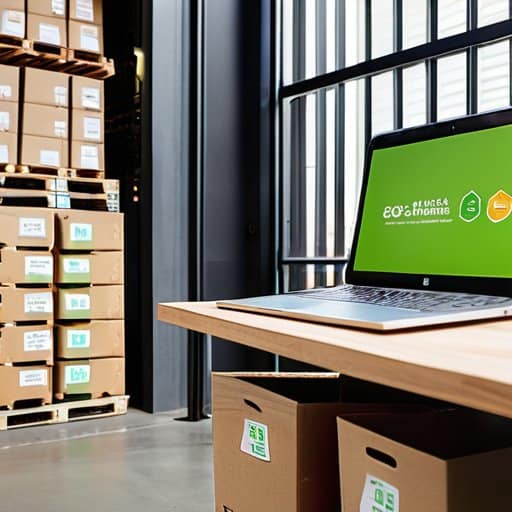
From commission‑based marketplaces that skim a slice of every sale to subscription‑style seller plans that lock in recurring revenue, we’ve unpacked the money‑making engines that power today’s resale sites. We also peeled back the curtain on profit margins—how savvy sellers leverage bulk sourcing, data‑driven pricing, and low‑cost refurbishing to turn a modest 15‑30% spread into scalable earnings. Finally, we connected those financial levers to the broader circular economy, showing how consumer cravings for sustainability, brand‑driven authenticity, and community‑sourced inventory fuel a virtuous loop of reuse, tech‑enabled logistics, and green‑margin upside, plus the hidden advantage of data‑rich insights that let platforms predict trends before they hit mainstream shelves.
Looking ahead, the real excitement lies not just in the dollars but in the cultural shift that re‑commerce is catalyzing. Every time a shopper scrolls through a curated thrift feed, they’re endorsing a model that stretches product lifecycles and shrinks landfill footprints. For entrepreneurs, the playbook is clear: blend authentic storytelling with razor‑sharp analytics, and let technology—AI pricing bots, blockchain provenance, and on‑demand fulfillment—do the heavy lifting. For consumers, the invitation is simple yet profound: treat pre‑owned treasure hunts as a daily habit, and watch your closet become a small‑scale investment portfolio. In a world hungry for purpose, the secondhand goldmine is poised to become the new mainstream marketplace of value.
Frequently Asked Questions
How do different re‑commerce platforms decide which fee structure (listing, commission, subscription) works best for both sellers and buyers?
Each resale platform runs a test before picking a fee model. If it handles moving items—think clothing drops—it’ll favor a low or no listing fee and a commission, keeping sellers motivated and buyers happy with lower prices. Markets with fewer sales may charge a subscription so sellers can list pieces without per‑item surprise costs. Ultimately, the choice balances the platform’s overhead, expected sales volume, and the spot where sellers and buyers both feel the deal is fair.
What are the biggest operational hurdles when scaling a digital thrift store from a niche hobby to a full‑blown e‑commerce business?
Scaling a digital thrift store feels like turning a garage‑sale hobby into a warehouse‑level circus. First, inventory chaos spikes — you suddenly need barcode systems, real‑time stock dashboards, and a reliable intake pipeline so “random finds” don’t become “lost treasures.” Second, fulfillment gets messy: you must automate label printing, negotiate bulk shipping rates, and build a returns process that doesn’t drown your inbox. Finally, the tech side explodes—integrating marketplace APIs, handling multiple sales channels, and keeping the site fast enough that shoppers don’t bail at checkout. Each of these hurdles demands a mix of software, SOPs, and a solid team before you can go from niche to full‑blown e‑commerce.
Can integrating circular‑economy principles actually boost profit margins, or does sustainability mainly serve as a marketing angle?
Absolutely—when you weave true circular‑economy tactics into the resale workflow, you can shrink acquisition costs, extend product lifecycles, and tap premium‑willing buyers, all of which thicken the bottom line. The key isn’t slapping a green badge on a site; it’s redesigning sourcing, refurbishing, and logistics so each loop creates real cost savings. That said, a shallow “sustainability” label without operational change is mostly hype, not profit.

Leave a Reply
You must be logged in to post a comment.