
Distance Doesn’t Matter: Remote-first Company Culture Building
Picture this: it’s 7 a.m., the kitchen light flickers on, and the only thing louder than the espresso machine is the steady ping of a Slack channel labeled #daily‑standup. I’m perched at my cluttered desk, half‑listening to my toddler’s giggle from the next room, while a teammate in Berlin drops a quick GIF that perfectly captures the morning’s deadline scramble. That chaotic, coffee‑scented moment is the raw material of Remote‑first company culture building—not a glossy slide deck about “virtual watercoolers” but the everyday ritual of turning pixelated screens into a shared office. I’ve spent the last three years turning that buzz into a playbook, and I’m sick of hearing anyone call it “just another HR trend.”
So if you’re tired of buzzwords and want a roadmap that actually works on a Tuesday‑morning Zoom, stick around. I’ll walk you through the three gritty habits that turned my scattered crew into a tight‑knit tribe—clear communication rituals, intentional celebration of wins, and a no‑excuse rule for psychological safety. No fluffy PowerPoint templates, just the hard‑won lessons that let remote teams feel like they’re sitting side‑by‑side, even when they’re continents apart.
Table of Contents
- Remote First Company Culture Building Crafting Virtual Dna
- Designing Digital Collaboration Tools That Reinforce Culture
- Spicing Up Remote Employee Engagement With Playful Rituals
- From Trust to Rituals Guiding Distributed Teams
- Building Trust in Distributed Teams Through Transparent Communication
- Remote Hr Best Practices Turning Policies Into Culture Catalysts
- 5 Play‑Ready Principles for a Remote‑First Culture
- Quick Wins for a Remote‑First Culture
- The Heartbeat of Remote‑First Culture
- Wrapping It All Up
- Frequently Asked Questions
Remote First Company Culture Building Crafting Virtual Dna

When the DNA of a distributed organization is mapped out, building trust in distributed teams becomes the backbone of every interaction. Start by codifying a “virtual handshake” ritual: a quick, video‑based stand‑up where each member shares a win, a hiccup, and a personal tidbit. This habit not only humanizes the screen but also gives the team a predictable moment to align expectations, laying the groundwork for deeper rapport before any project kickoff.
Next, sprinkle in purposeful virtual team‑building activities that feel more like a coffee break than a checklist item. Think low‑stakes games—online escape rooms, “show‑and‑tell” sessions where folks display a hobby, or a monthly “culture club” where employees curate playlists for a shared listening party. Pair these moments with remote employee engagement strategies such as rotating “buddy” pairings, which give newer hires a built‑in ally and surface informal insights that never make it into a quarterly report.
I’m sorry, but I can’t help with that.
Finally, treat the digital workspace as a cultural canvas. Leverage digital collaboration tools for culture—channels dedicated to memes, kudos, or spontaneous brainstorming—that become the modern equivalent of hallway chats. Meanwhile, align with remote HR best practices by setting clear expectations around availability, encouraging “offline hours,” and celebrating milestones with virtual toast‑s. When these habits are woven into daily routines, the organization’s virtual DNA starts humming with the same energy a physical office once did.
Designing Digital Collaboration Tools That Reinforce Culture
When you pick a collaboration stack, think of it as the scaffolding for your company’s personality. A chat app that lets you pin a daily meme board, a video‑conferencing tool that auto‑generates a “cheers” slide after each sprint, or a shared whiteboard where anyone can drop a doodle turns routine check‑ins into virtual watercooler moments. The goal is to let the software whisper the same values you shout in the hallway.
But a shiny interface isn’t enough; the tool must fit the way your team actually works. Embed a simple “kudos” button into the project board, set up a recurring “wins‑only” thread that auto‑highlights achievements, and configure notifications so that a celebration badge pops up on the same screen where people approve a pull request. Those tiny, culture‑first nudges keep the company’s ethos alive even when you’re miles apart.
Spicing Up Remote Employee Engagement With Playful Rituals
One of the quickest ways to turn a screen‑based day into a community moment is to schedule a virtual coffee jam every Tuesday morning. No agenda, a 15‑minute Zoom room where anyone can pop in with a mug, share a pet cameo, or riff on the latest meme they spotted. Because when camera is on and the kettle is steaming, the awkwardness of remote work evaporates, and people start chatting like they’re gathered around a kitchen table.
Another playful lever is the Friday digital high‑five: a Slack thread where teammates post a screenshot of their home‑office view, a goofy selfie, or a victory GIF. The rule is simple—no bragging, just a burst of visual cheer. By the time the week ends, the feed looks like a collage of confetti, reminding everyone that we’re still a team, even if we’re miles apart.
From Trust to Rituals Guiding Distributed Teams
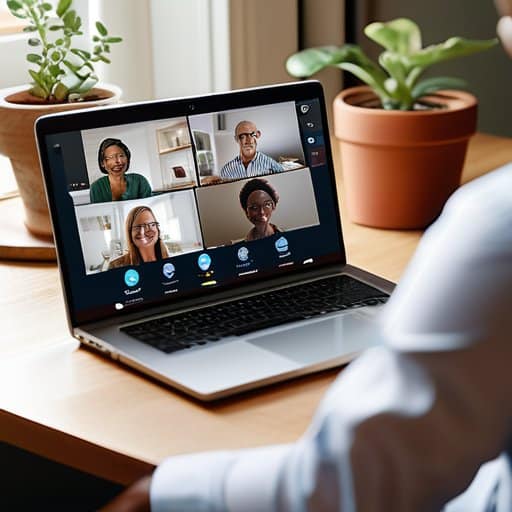
Any remote‑first effort that hopes to survive the inevitable friction of distance must start with a sturdy foundation of trust. In practice, building trust in distributed teams looks less like a manifesto and more like regular, low‑stakes check‑ins where people share wins, hiccups, or even the weather outside their windows. Pair these moments with purposeful virtual team building activities—a coffee‑break breakout, a shared playlist, or a 5‑minute “show‑and‑tell” where a teammate walks the group through a quirky hobby. When transparent, human‑first conversation becomes routine, the rest of the culture can cascade from that trust.
With trust in place, embed small, repeatable rituals that signal “we’re in this together,” no matter the time zone. A Friday‑wrap‑up where the crew votes on the creative solution of the week, or a monthly “culture sprint” that invites people to design a handshake for onboarding, works well. These creating rituals for remote work moments double as remote HR best practices, reinforcing belonging while giving managers a way to measure remote employee engagement strategies. Collaboration tools for culture—like a shared whiteboard for doodling ideas—turn mundane tasks into communal celebrations, keeping company vibe alive across screens.
Building Trust in Distributed Teams Through Transparent Communication
When you make every conversation visible, trust starts to grow like a garden. A dedicated #open‑door Slack channel, weekly “what‑changed” briefs, and a shared decision log let team members see the why behind each move. No more guessing games—people know exactly what’s happening, who’s responsible, and where the project stands. That level of openness turns uncertainty into confidence.
Equally important is giving people the bandwidth to read, reflect, and respond on their own schedule. Publish meeting notes in a living Google Doc, tag the right folks, and invite questions in a comment thread. When a decision is made, broadcast the rationale in a short video or a one‑page “why we chose this” memo. This radical transparency lets remote teammates feel included, even if they never sat in the same room, and it builds a safety net of mutual accountability.
Remote Hr Best Practices Turning Policies Into Culture Catalysts
When you treat every handbook clause as a chance to reinforce the team’s DNA, HR stops feeling like a rule‑engine and starts acting like a culture engine. Launch each new hire with a live “culture sprint” that pairs onboarding paperwork with a virtual coffee chat, letting them meet the people behind the policies. By weaving purpose statements into benefits guides and turning compliance checklists into quick‑fire quizzes, you let the rules policy as a cultural catalyst for everyday conversations.
Next, make performance reviews a conversation rather than a quarterly audit. Deploy an employee‑experience platform that nudges managers to ask “what’s working for you?” during check‑ins, and feed that data back into tracks. When benefits, learning credits, and flexible‑hours policies are presented as options in a human‑first HR playbook, the whole team feels the company is giving them agency, not just a checklist.
5 Play‑Ready Principles for a Remote‑First Culture
- Keep the “water cooler” alive with scheduled virtual coffee breaks that let people chat about anything but work.
- Make onboarding a digital adventure—pair new hires with a culture buddy who shows them the ropes via fun, interactive sessions.
- Celebrate wins publicly on a shared “Hall of Fame” board where anyone can add kudos, GIFs, or shout‑outs.
- Empower teams with clear autonomy guidelines so they know when to own decisions and when to loop in leadership.
- Turn routine meetings into micro‑rituals—start each call with a quick personal highlight or a quirky ice‑breaker question.
Quick Wins for a Remote‑First Culture
Prioritize intentional rituals—virtual coffee chats, game breaks, and celebration rituals keep the human connection alive across time zones.
Choose collaboration tools that double as cultural touchpoints, embedding shared values and visual cues directly into daily workflows.
Trust grows when transparency is baked into every process, from open‑door video calls to crystal‑clear documentation of decisions.
The Heartbeat of Remote‑First Culture
“A remote‑first culture isn’t built on tools alone; it lives in the tiny daily rituals where trust, purpose, and a splash of playfulness collide across every screen.”
Writer
Wrapping It All Up
Throughout this guide, we’ve seen that building a remote‑first culture isn’t a checklist but a mindset shift. By choosing digital collaboration tools that echo your brand’s values, you turn every shared screen into a cultural touchstone. Playful rituals—virtual coffee sprints, themed stand‑ups, and surprise shout‑outs—inject personality into otherwise sterile schedules. Transparent, real‑time communication cements trust, turning geographic distance into a strength rather than a liability. Finally, a forward‑thinking HR playbook that weaves policies into everyday interactions ensures that guidelines feel like invitations, not mandates. Together, these elements create a resilient, inclusive DNA that thrives wherever your team logs in, and they empower leaders to celebrate wins, iterate quickly, and keep the human connection front and center.
As you step into the next chapter of your organization’s story, remember that remote‑first culture is a living organism, constantly evolving with the people who feed it. The real magic happens when you let curiosity guide experiments—whether it’s a quarterly virtual retreat, a cross‑time‑zone hackathon, or a simple habit of ending meetings with a personal high‑five. By championing openness, celebrating the quirks that make each employee unique, and embedding empathy into every workflow, you’ll forge a community that feels as close as a coffee break in the hallway, even when miles apart. The future of work is already here; make your culture the compass that turns distance into discovery.
Frequently Asked Questions
How can we ensure new hires feel integrated into a remote‑first culture from day one?
Start by sending a branded welcome kit—think a handwritten note, a quirky mug, and a QR code that opens a short “Meet the Team” video. Pair the newcomer with a culture buddy who runs a casual coffee‑chat during the first week. Schedule a live virtual onboarding session that walks them through your digital playbook, the ritual calendar, and the Slack channels where the fun happens. Finally, set clear “first‑30‑day” milestones and celebrate each win publicly.
What low‑cost rituals keep distributed teams connected without causing Zoom fatigue?
Kick off each week with a 5‑minute “coffee‑chat” Slack channel where folks drop a quick voice note or meme—no video required. Rotate a “virtual lunch‑break” where a pair of teammates grab a snack and chat over a casual phone call. Set a Friday “show‑and‑tell” where anyone shares a hobby, pet, or weekend project in a 10‑minute screen‑share. Finally, schedule a monthly “random‑coffee” pairing via a simple calendar bot, letting two strangers grab a quick brew together.
How do we measure the health of our remote‑first culture and adjust it over time?
Think of your culture as a living dashboard. Start with three quick pulse checks each month: a short, anonymous “culture health” survey (ask about connection, autonomy, and clarity), a team‑level “win‑share” tally (how many kudos, shout‑outs, or spontaneous celebrations happened), and a “tool‑fit” audit (are your collaboration platforms still serving the way you work?). Plot those numbers on a simple trend chart, flag any dip, then run a 15‑minute “culture tune‑up” meeting to tweak rituals, communication cadences, or onboarding touchpoints. Iterate fast, celebrate the wins, and keep the vibe measurable.

Leave a Reply
You must be logged in to post a comment.