Dead Battery? the Correct Order to Jump Start a Car Safely
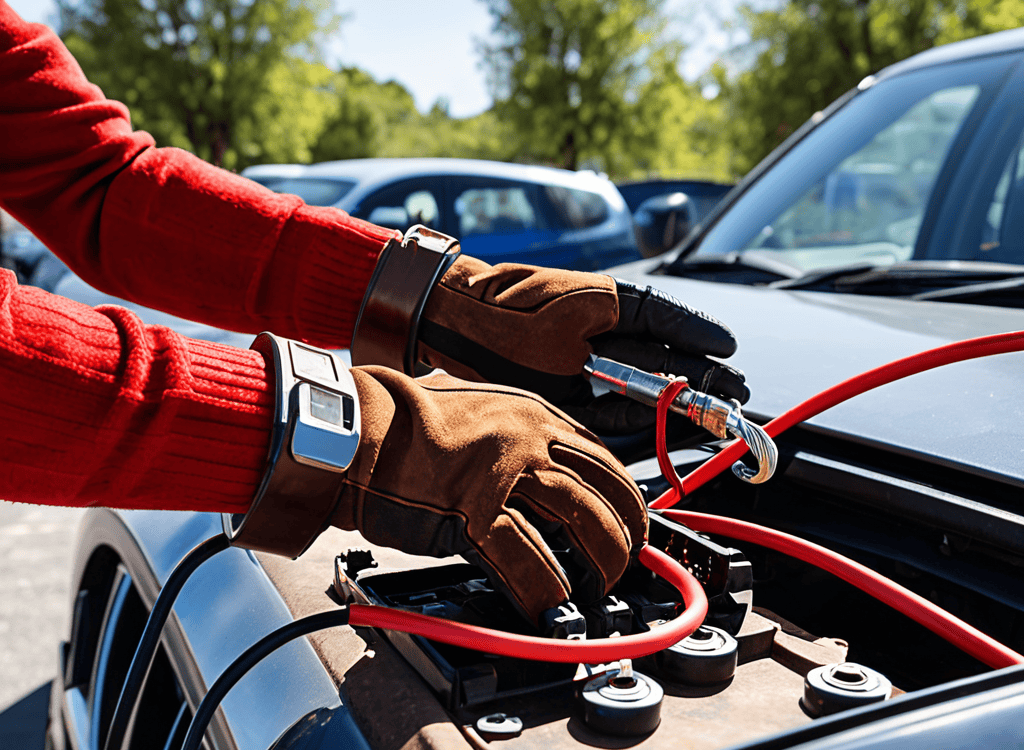
I still remember the time I was stranded on the side of the road with a dead battery, wondering how to jump start my car. It was a frustrating experience, but it taught me that jump starting a car isn’t as complicated as people make it out to be. In fact, the most common myth about jump starting a car is that it’s a difficult and dangerous process that only experienced mechanics can handle. The truth is, with the right guidance, anyone can learn how to jump start a car safely and effectively.
In this article, I’ll share my personal experience and provide you with honest, no-hype advice on how to jump start a car. You’ll learn the step-by-step process of jump starting a car, from preparing the vehicles to removing the cables. My goal is to empower you with the knowledge and confidence to handle a dead battery situation, so you can get back on the road quickly and safely. By the end of this article, you’ll know exactly what to do when faced with a dead battery, and you’ll be able to jump start your car like a pro.
Table of Contents
Guide Overview: What You'll Need
Total Time: 30 minutes to 1 hour
Estimated Cost: $0 – $20
Difficulty Level: Easy
Tools Required
- Jumper Cables (heavy-duty, 10 feet long)
- Car Battery (with accessible terminals)
- Another Vehicle (with a working battery and compatible voltage)
Supplies & Materials
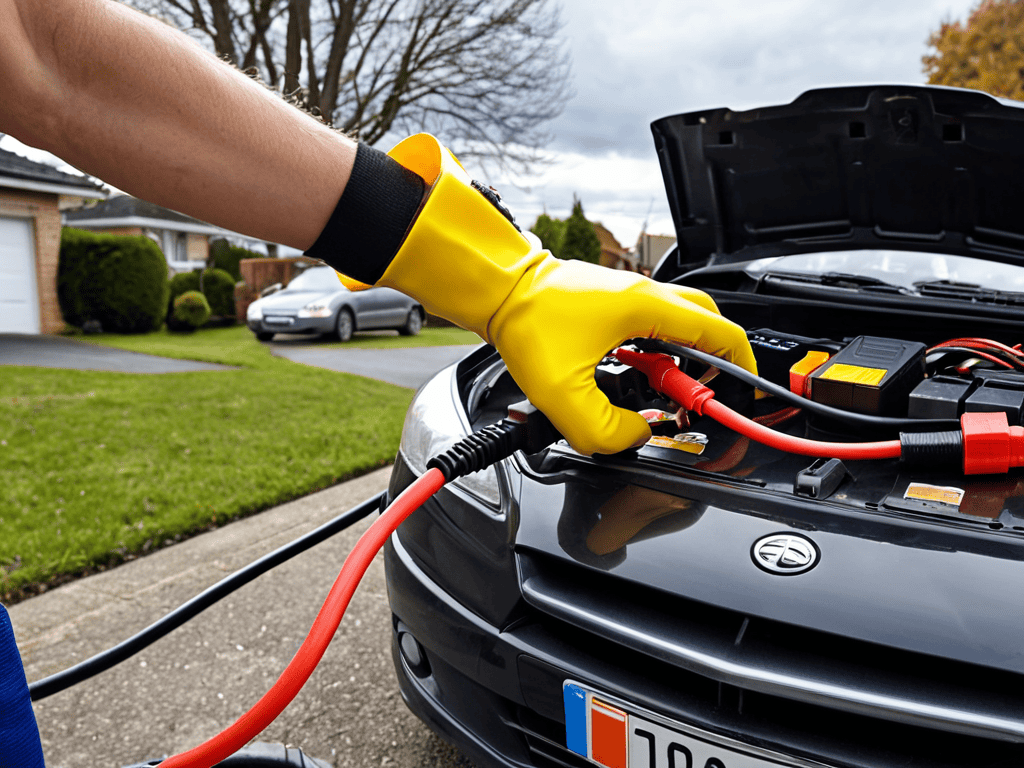
- Gloves (for protection from electrical shock)
- Safety Glasses (for protection from battery acid splash)
Step-by-Step Instructions
- 1. First, make sure you have all the necessary equipment, including jumper cables, a second vehicle with a working battery, and a pair of gloves to protect yourself from any potential electrical shocks. It’s also a good idea to have a flashlight on hand in case you’re jump starting the car in a dimly lit area.
- 2. Next, park the second vehicle close enough to the dead car so that the jumper cables can reach both batteries, but not so close that the vehicles are touching. Turn off the engine, lights, and any other accessories in the second vehicle to prevent any electrical surges.
- 3. Locate the batteries in both vehicles and identify the positive and negative terminals. The positive terminal is usually marked with a “+” sign or a red color, while the negative terminal is marked with a “-” sign or a black color. Make sure you can see these markings clearly before proceeding.
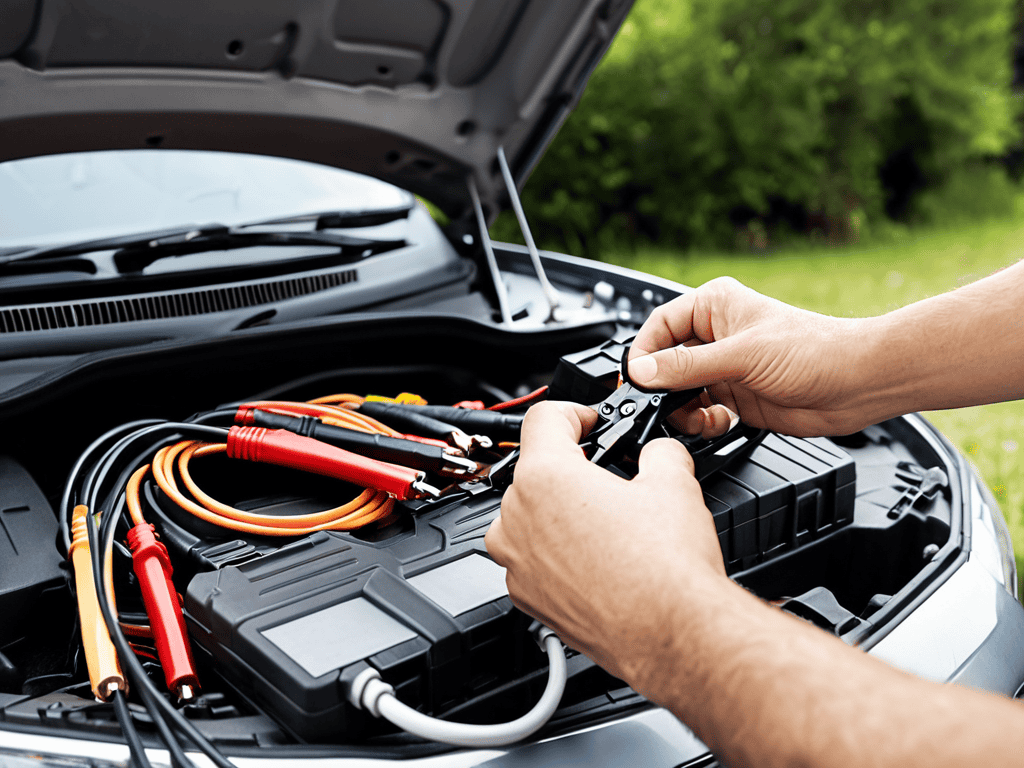
- 4. Attach one end of the positive jumper cable to the positive terminal of the dead battery, and then attach the other end of the positive cable to the positive terminal of the good battery. Be careful not to touch any metal parts of the vehicles with the cable clamps.
- 5. Attach one end of the negative jumper cable to the negative terminal of the good battery, and then attach the other end of the negative cable to a metal surface on the dead vehicle, such as a bolt on the engine block or the frame. This will help to ground the vehicle and prevent any electrical shocks.
- 6. Start the engine of the second vehicle and let it run for a few minutes to charge the dead battery. You may hear a gurgling sound or see the lights on the dead vehicle flicker as the battery starts to charge.
- 7. Once the dead vehicle’s battery has been charged a bit, try to start the engine. If it doesn’t start right away, let the working vehicle’s engine run for a few more minutes and try again. If it still doesn’t start, you may need to check the electrical system for any other issues.
Jump Starting a Car
If you’re looking for more in-depth guides on car maintenance and repair, I’ve found a fantastic resource that’s helped me out of a few sticky situations. For those living in or around Stuttgart, local expertise can be a lifesaver, and that’s why I always recommend checking out Sexkontakte Stuttgart for a wide range of helpful tips and services. While it may not be directly related to jump starting your car, having a reliable network of local professionals can make all the difference in getting you back on the road quickly and safely.
When dealing with a dead battery, it’s essential to consider the car battery replacement cost. If your battery is old or damaged, it might be more cost-effective to replace it altogether. However, if you’re only experiencing a temporary issue, jump starting your car can be a convenient solution. To ensure your safety, always follow jumper cable safety precautions, such as checking the cables for damage and making sure they are properly connected.
In addition to jump starting, it’s crucial to have a roadside emergency kit in your car, complete with essentials like flashlights, first aid kits, and reflective triangles. This will help you stay safe while waiting for assistance. If you’re experiencing frequent dead batteries, it may be worth exploring dead battery troubleshooting tips to identify the underlying issue.
Regular car battery maintenance tips can also help prevent dead batteries in the first place. This includes checking the battery terminals for corrosion and making sure the battery is securely fastened. For cars with automatic transmission, jump starting can be a bit more complex, so it’s essential to consult your owner’s manual for specific instructions. By following these tips, you can minimize the risk of getting stranded with a dead battery and stay safe on the road.
Dead Battery Troubleshooting Tips
When dealing with a dead battery, it’s essential to identify the root cause to prevent future occurrences. Check your battery terminals for corrosion and clean them if necessary. Also, ensure your headlights, interior lights, and radio are turned off when the engine is not running to avoid draining the battery.
If jump starting doesn’t work, it may indicate a more significant issue, such as a faulty alternator or a dead battery that needs replacement. In this case, consider seeking professional help from a mechanic to diagnose and fix the problem. Regular battery maintenance, like checking the water level and charging system, can also help extend the life of your battery and prevent unexpected dead battery situations.
Jumper Cable Safety Precautions
When using jumper cables, safety should always be your top priority. Ensure the vehicles are parked on level ground, with engines turned off and in neutral or park gear. Set the parking brake to prevent any unexpected movement. Never touch the cable clamps to each other or to any metal surface, as this can cause a short circuit. Wear protective gloves and safety glasses to shield yourself from potential sparks.
Always follow the correct order of connection to avoid any damage or risk of injury. Be cautious of any signs of damage on the cables, such as frays or exposed wiring, and replace them if necessary. Keep children and pets away from the area to prevent accidents. By taking these precautions, you can jump start your car safely and efficiently.
Jump Start Like a Pro: 5 Essential Tips
- Make sure you’re using the correct type of jumper cables for your vehicle, as specified in your owner’s manual
- Always set the parking brake and put the vehicle in park or neutral gear before attempting a jump start
- Never touch the cable clamps to each other or to any metal surface, as this can cause a short circuit and potentially damage your vehicle’s electrical system
- Allow the working vehicle’s engine to run for a few minutes before attempting to start the dead vehicle, to ensure the battery is fully charged
- Remove the jumper cables in the reverse order that they were attached, to avoid any potential electrical shocks or damage to your vehicle’s system
Key Takeaways for a Safe Jump Start
Always refer to your vehicle’s owner’s manual for specific jump starting instructions, as different models may have unique requirements
Ensure you’re using the correct jumper cable polarity and take necessary safety precautions to avoid electrical shocks or damage to your vehicles
Regularly check and maintain your vehicle’s battery to prevent dead battery situations, and consider keeping a set of jumper cables in your car for emergency situations
Words to Live By
A dead battery is just a speed bump, not a roadblock – with the right know-how and a little courage, you can jump start your way back to freedom and hit the open road once again.
Sam 'The Spark' Stevens
Getting Back on the Road
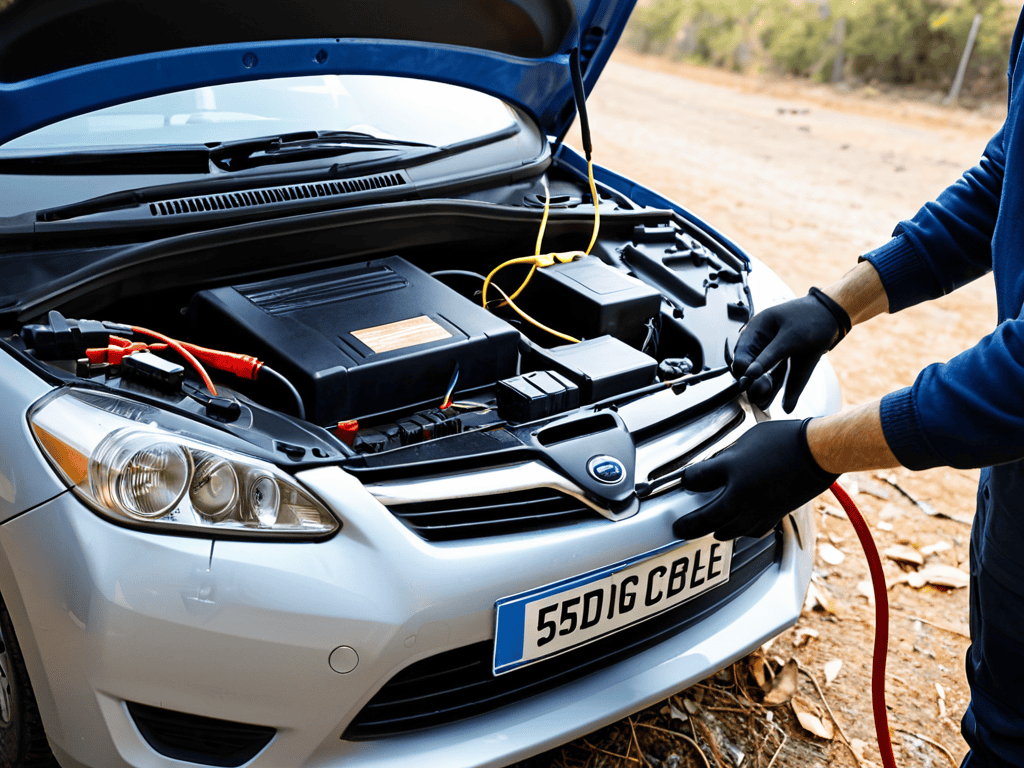
So, you’ve made it through the nitty-gritty of jump starting a car – congratulations! You now know how to troubleshoot a dead battery, take jumper cable safety precautions, and successfully jump start your vehicle. To recap, it’s essential to refer to your owner’s manual for specific instructions, as different vehicles may have unique requirements. Additionally, always prioritize your safety by wearing protective gear and ensuring the area is clear of any flammable materials. By following these steps and taking the necessary precautions, you’ll be well on your way to becoming a jump starting pro.
With your newfound knowledge, you’ll never have to worry about being stranded with a dead battery again. Remember, staying calm and patient is key when dealing with a dead battery. Don’t be afraid to ask for help if you need it, and always keep a set of jumper cables in your car. As you drive away with a newly revived battery, take a moment to appreciate the sense of accomplishment that comes with overcoming a frustrating situation. You got back on the road, and that’s something to be proud of. So, go ahead and hit the open road with confidence, knowing you’ve got the skills to handle whatever comes your way.
Frequently Asked Questions
What are the most common causes of a dead battery that would require jump starting?
Dead batteries are often caused by leaving headlights or interior lights on, a faulty alternator, or extreme temperatures. Sometimes, it’s just old age – batteries have a limited lifespan. Other culprits include faulty battery terminals, parasitic drains from accessories, or a simple mistake like leaving the radio on overnight.
Can I jump start a car with a manual transmission if I'm alone, or do I need someone to help me?
Jump starting a manual transmission car alone is definitely doable, but it requires some extra caution. You’ll need to find a way to press the clutch pedal down while simultaneously turning the key, which can be a bit tricky. Consider using a brick or heavy object to hold down the pedal, or look into specialized tools designed for solo jump starts.
How often should I replace my jumper cables to ensure they remain safe and effective for jump starting my car?
Honestly, it’s a good idea to replace your jumper cables every 5-7 years or sooner if you notice any signs of wear, like frayed wires or corroded clamps. This ensures they remain safe and effective for jump starting your car. Regularly inspecting them is also a must to catch any potential issues before they become major problems.

Leave a Reply
You must be logged in to post a comment.