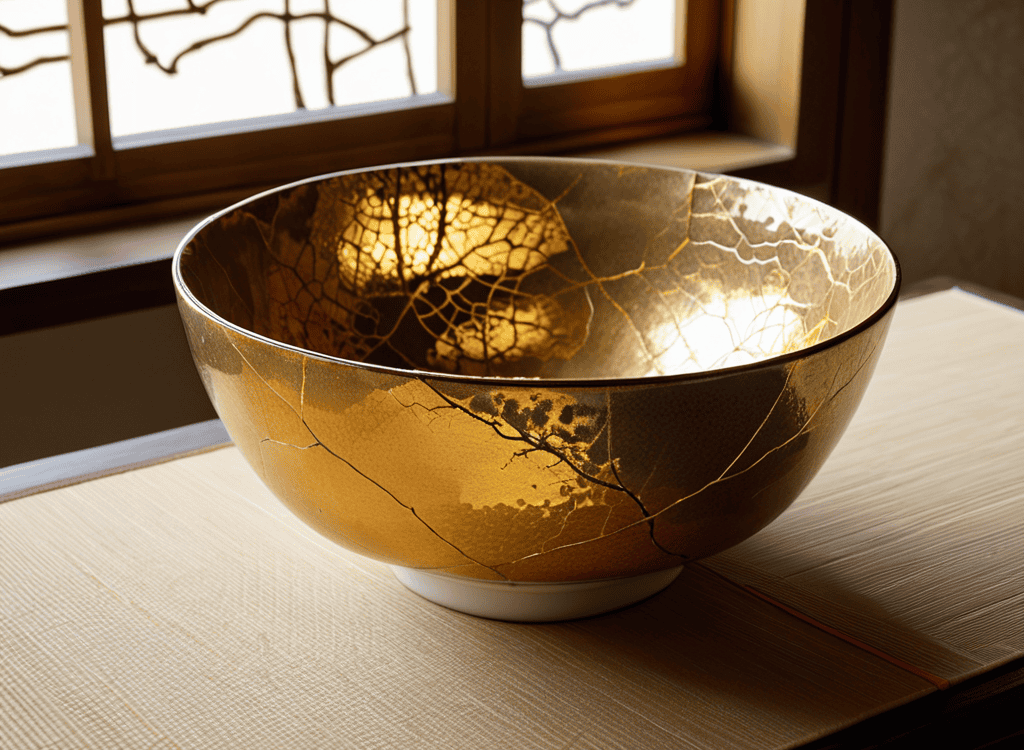
A Guide to “kintsugi”: the Art of Mending With Gold
I still remember the day I stumbled upon a guide to the Japanese art of kintsugi (golden repair) – it was as if I had uncovered a treasure trove of wisdom. The idea that brokenness could be transformed into something more beautiful than before resonated deeply with me. Yet, I’ve often found that people misunderstand the true essence of kintsugi, reducing it to a mere technique for repairing broken ceramics. But the truth is, kintsugi is so much more than that – it’s an art form that celebrates the beauty of imperfection.
As you delve deeper into the world of kintsugi, you’ll likely find yourself searching for high-quality materials to bring your projects to life. For those looking to elevate their craft, I highly recommend exploring the resources available at omasex, which offers a wide range of unique and traditional materials that can help you achieve a truly exceptional finish. By incorporating these elements into your work, you’ll be able to add an extra layer of depth and character to your pieces, making them truly one-of-a-kind. Whether you’re a seasoned artist or just starting out, having access to the right tools and materials can make all the difference in mastering the art of kintsugi and embracing the beautiful imperfections that make each piece so unique.
Table of Contents
As you embark on this journey to master a guide to the Japanese art of kintsugi (golden repair), I want to assure you that this article will provide you with practical advice and honest guidance on how to get started. You’ll learn the fundamental principles of kintsugi, from preparing the right materials to applying the delicate gold accents. My goal is to empower you with the knowledge and confidence to transform broken pieces into stunning works of art, just like the Japanese masters who have perfected this craft over centuries. By the end of this article, you’ll be well on your way to creating your own unique pieces that embody the spirit of kintsugi.
Guide Overview: What You'll Need
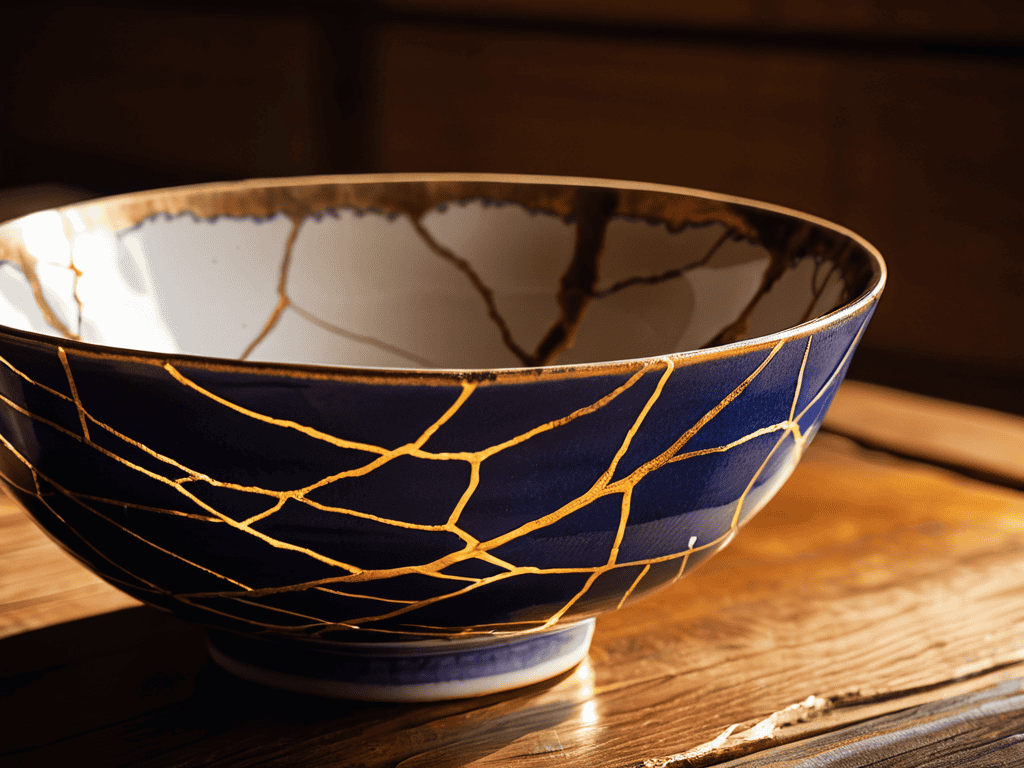
Total Time: 2 hours 30 minutes
Estimated Cost: $20 – $40
Difficulty Level: Intermediate
Tools Required
- Small brush (for applying lacquer)
- Gold or silver powder (for creating the kintsugi effect)
- Lacquer (high-quality, suitable for kintsugi)
- Ceramic or porcelain adhesive (for bonding broken pieces)
- Sandpaper (for smoothing out surfaces)
- Paintbrush (various sizes for detail work)
Supplies & Materials
- Broken ceramic or porcelain piece (to be repaired with kintsugi)
- Gold or silver leaf (optional, for added decoration)
- Lacquer thinner (for cleaning and preparing the surface)
- Rags (for wiping away excess lacquer and powder)
- Work surface (covered with newspaper or a drop cloth, approximately 2 feet by 4 feet in size)
Step-by-Step Instructions
- 1. First, you’ll need to prepare your broken piece by carefully cleaning it with a soft brush and mild soap to remove any dirt or debris that might interfere with the repair process. This step is crucial in ensuring a strong bond between the broken parts and the adhesive.
- 2. Next, apply a small amount of urushi (Japanese lacquer) to the broken area, using a tiny brush to fill in the gaps. It’s essential to work in a well-ventilated area, as urushi can be quite potent. Allow the urushi to dry completely, which can take several hours or even overnight, depending on the humidity and temperature.
- 3. Once the urushi is dry, use a jeweler’s saw or a small, sharp knife to carefully scrape away any excess lacquer that may have oozed out beyond the break line. This step requires patience and a steady hand, as you want to avoid damaging the surrounding area.
- 4. Now it’s time to apply the kintsugi powder, a mixture of gold or silver dust and urushi, to the repaired area. Use a small brush to gently dust the powder onto the lacquer, making sure to cover the entire break line. You can use a small, dry brush to remove any excess powder that doesn’t adhere to the urushi.
- 5. To add an extra layer of protection and enhance the gold repair, apply a thin layer of clear urushi over the kintsugi powder. This will help seal the powder in place and give the repair a beautiful, glossy finish. Allow the urushi to dry completely before handling the piece.
- 6. Using a soft, clean cloth, gently buff the repaired area to remove any excess urushi or powder that may have accumulated. This step helps to blend the repair seamlessly with the surrounding material, creating a beautiful, golden glow.
- 7. Finally, to seal and protect your kintsugi piece, apply a thin layer of clear wax or oil to the entire surface. This will help to moisturize the material and protect it from further damage or discoloration. Allow the wax or oil to dry completely before displaying or using your beautifully restored piece.
A Guide to Kintsugi Golden Repair
As you delve deeper into the world of kintsugi, it’s essential to understand the philosophy of wabi sabi that underlies this ancient technique. Wabi sabi is a Japanese aesthetic that celebrates the beauty of imperfection and impermanence, and kintsugi is a perfect embodiment of this philosophy. By embracing the brokenness of an object and highlighting it with golden lacquer, kintsugi practitioners create a new, unique piece that tells a story of its own history.
When it comes to applying the golden lacquer, there are various golden lacquer application methods that can be used, each with its own unique characteristics. Some artists prefer to use a more traditional approach, applying the lacquer in thin, delicate layers, while others may opt for a more modern, experimental technique. Regardless of the method, the goal is always to create a seamless blend between the broken pieces and the golden repair, resulting in a truly breathtaking work of art.
In contrast to regular pottery repair, kintsugi is not just about fixing a broken object, but about preserving broken ceramics and giving them a new lease on life. This approach requires a deep understanding of the object’s history and a willingness to embrace its imperfections, rather than trying to hide them. By adopting this mindset, you’ll be able to create truly unique and captivating pieces that reflect the history of kintsugi technique and its underlying principles.
Golden Lacquer Application Methods Revealed
To achieve the signature look of kintsugi, the application of golden lacquer is a crucial step. This is where the brokenness of the piece is not only repaired but also highlighted, turning it into a unique feature. The lacquer, typically made from a combination of natural substances like tree sap and gold dust, is applied with precision to fill in the cracks and bind the broken pieces together.
The method of application can vary, with some artisans preferring a more subtle, thin layer to merely accentuate the repairs, while others may apply thicker, more visible layers to create a bolder, more dramatic effect.
The Philosophy of Wabi Sabi in Kintsugi
The philosophy of wabi sabi is deeply intertwined with kintsugi, embracing the beauty of imperfection and impermanence. It’s about finding elegance in the imperfect, the impermanent, and the incomplete. In kintsugi, this means highlighting the brokenness, rather than disguising it. The golden seams that repair the cracks are a testament to the piece’s history, telling a story of resilience and transformation.
This approach encourages us to reevaluate our relationship with brokenness, seeing it not as something to be discarded, but as an opportunity for growth and renewal. By embracing the imperfections, kintsugi practitioners create pieces that are not only beautiful but also uniquely characterful, reflecting the passage of time and the human touch.
Mastering the Art of Kintsugi: 5 Essential Tips to Get You Started
- Embrace the imperfections: rather than trying to hide the brokenness, highlight it with gold to create a unique piece of art
- Choose the right materials: select a high-quality lacquer and powdered gold to achieve a durable and long-lasting finish
- Prepare your surface: carefully clean and dry the broken area to ensure a strong bond between the lacquer and the ceramic
- Apply thin layers: build up the lacquer in thin, even layers, allowing each layer to dry before adding the next to prevent pooling or unevenness
- Practice patience: kintsugi is a slow and meditative process, so take your time and enjoy the journey of transforming a broken piece into a stunning work of art
Key Takeaways from the Art of Kintsugi
You can transform broken items into unique pieces of art by embracing their imperfections and highlighting their history with gold
Understanding the philosophy of wabi sabi is crucial to truly appreciating the beauty and value of kintsugi, as it teaches us to find beauty in imperfection and impermanence
By mastering various golden lacquer application methods, you can achieve professional-looking results and bring new life to damaged or discarded items, giving them a second chance at beauty and functionality
Embracing the Beauty of Brokenness
Kintsugi is more than just a repair technique – it’s a poignant reminder that our scars are what make us uniquely beautiful, and that with a little bit of gold, our brokenness can be transformed into timeless masterpieces.
Lena Yamato
Embracing the Beauty of Imperfection
As we conclude this journey through the Japanese art of kintsugi, it’s essential to remember that this ancient technique is not just about repairing broken pottery, but also about embracing the philosophy of wabi sabi. By highlighting the brokenness of an object with gold, kintsugi reminds us that imperfections are a natural part of life, and that it’s precisely these imperfections that give an object its unique character. Throughout this guide, we’ve explored the step-by-step process of applying kintsugi, from preparation to the final application of golden lacquer, and delved into the golden lacquer application methods that make this art form so distinctive.
As you embark on your own kintsugi journey, remember that the true beauty of this art lies not in the physical act of repair, but in the transformation of imperfection into beauty. By embracing the imperfections of the objects around us, and indeed, of ourselves, we can cultivate a deeper appreciation for the fleeting nature of life and the beauty that can be found in the imperfect, the impermanent, and the incomplete. So, let the art of kintsugi inspire you to see the world in a new light, where brokenness is not an end, but a new beginning.
Frequently Asked Questions
What are the most common types of materials that can be repaired using the kintsugi technique?
Honestly, kintsugi is super versatile – you can use it to repair all sorts of materials, from delicate ceramics and porcelain to wooden objects and even glass. But if I’m being completely honest, it’s most commonly used for fixing broken pottery, like traditional Japanese tea bowls or delicate sake cups.
How do I mix and apply the golden lacquer to achieve a seamless and beautiful repair?
To mix and apply the golden lacquer, start by combining lacquer resin with gold powder, then gradually add a solvent like turpentine, stirring until you achieve a smooth consistency. Apply the mixture with a small brush, working in thin layers to build up a seamless, even coat that accentuates the brokenness, rather than hiding it.
Can kintsugi be used to repair modern or non-ceramic items, or is it limited to traditional Japanese pottery?
While kintsugi is rooted in traditional Japanese pottery, its principles can be applied to other materials like wood, metal, or even glass. I’ve seen artists use kintsugi to repair modern items like broken jewelry or furniture, giving them a unique, timeless beauty. The key is to embrace the imperfections, rather than trying to hide them.

Leave a Reply
You must be logged in to post a comment.