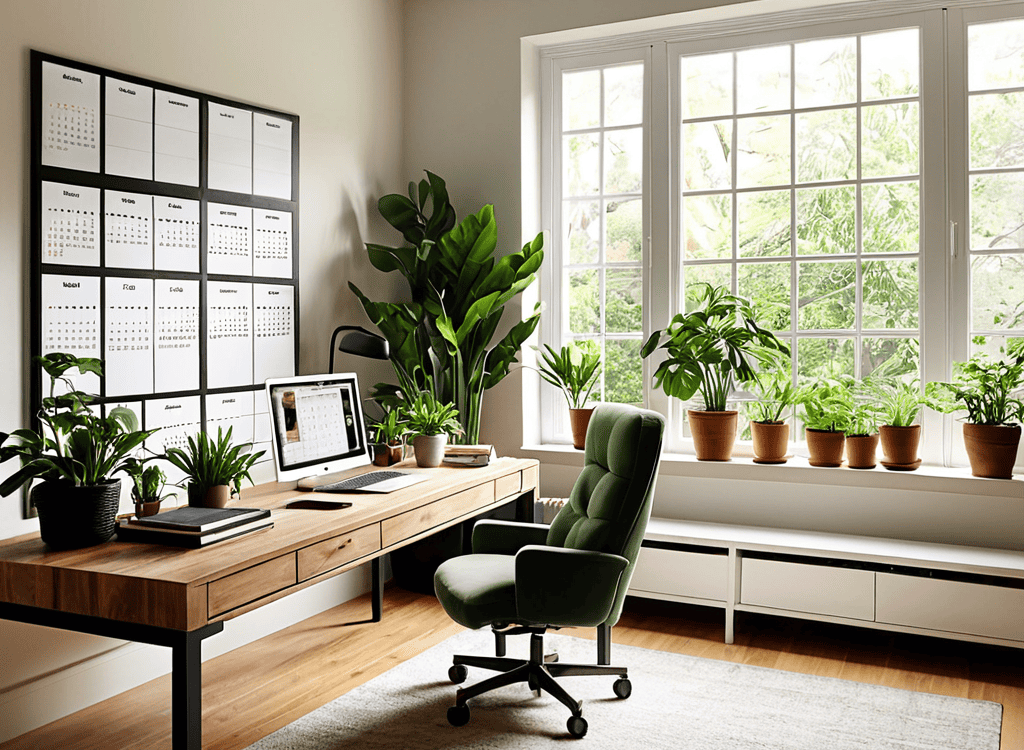
The Ultimate Guide to Achieving a Healthy Work-life Balance
I still remember the day I hit rock bottom, feeling like I was drowning in a sea of deadlines and responsibilities. I had been searching for a guide to creating a healthy work-life balance, but every article I read seemed to offer the same generic advice. It wasn’t until I stumbled upon a simple yet profound truth that I began to make real changes. The myth that we need to make drastic sacrifices to achieve balance is just that – a myth. In reality, finding harmony between our personal and professional lives is about making intentional choices and setting boundaries.
In this article, I’ll share my personal story and the practical strategies I’ve learned along the way. You’ll discover how to prioritize your well-being, let go of guilt and shame, and create a schedule that actually works for you. I’ll cut through the noise and offer honest, actionable advice on how to create a guide to creating a healthy work-life balance that truly suits your needs. By the end of this guide, you’ll have the tools and confidence to take control of your life and find a sense of balance that works for you.
Table of Contents
Guide Overview: What You'll Need

Total Time: 1 hour to several days
Estimated Cost: $0 – $100
Difficulty Level: Intermediate
Tools Required
- Calendar or Planner (physical or digital)
- Notebook or Journal (for reflection and goal-setting)
- Computer or Smartphone (for scheduling and time management apps)
Supplies & Materials
- Pens or Pencils (for writing in planner or journal)
- Stickers or Color-Coded Tabs (for organizing and prioritizing tasks)
- Whiteboard or Chalkboard (for creating a vision board or to-do list)
Step-by-Step Instructions
- 1. First, take a close look at your current schedule and identify the time-wasting activities that are preventing you from achieving a better work-life balance. This could be anything from mindless social media scrolling to excessive meetings at work. Be honest with yourself about where your time is going and make a list of areas where you can cut back.
- 2. Next, set clear boundaries between your work and personal life. This might mean establishing a dedicated workspace at home, avoiding work emails or calls during non-work hours, or implementing a “no work talk” rule during family dinners. Remember, it’s all about creating a healthy separation between your professional and personal responsibilities.
- 3. Now, prioritize self-care activities that bring you joy and help you relax. This could be anything from reading a book, taking a walk, or practicing yoga. Schedule these activities into your daily or weekly routine, just as you would any other important appointment. Don’t be afraid to get creative with your self-care and try new things until you find what works best for you.
- 4. Learn to say no to non-essential commitments that can derail your work-life balance. This might mean turning down social invitations, avoiding unnecessary projects at work, or delegating tasks to others when possible. Remember, saying no to something that doesn’t serve you means saying yes to yourself and your own well-being.
- 5. Implement a technology detox plan to reduce your screen time and minimize distractions. This could mean setting aside device-free hours or days, using website blockers or apps that track your screen time, or replacing your phone with a book or other hobby before bed. By taking control of your technology use, you can reclaim your time and focus on what really matters.
- 6. Develop a flexible routine that allows for spontaneity and change. Life is unpredictable, and your schedule should be too. Don’t be too hard on yourself if you need to adjust your plans or take a break from your routine. Instead, focus on rolling with the punches and finding a sense of flow and adaptability in your daily life.
- 7. Finally, schedule regular check-ins with yourself to assess your progress and make adjustments as needed. This could be a weekly or monthly review of your goals, habits, and overall well-being. By taking the time to reflect and adjust, you can stay on track, celebrate your successes, and continue to cultivate a healthier work-life balance.
A Guide to Creating Balance

To truly thrive in our personal and professional lives, it’s essential to manage stress effectively. This can be achieved by implementing a few simple yet powerful techniques, such as deep breathing exercises or short meditation sessions. By doing so, we can reduce feelings of overwhelm and increase our overall sense of well-being.
Creating a morning routine can also have a significant impact on our daily lives. By starting the day with a clear plan and a set of achievable goals, we can set ourselves up for success and make the most of our time. This can be as simple as enjoying a quiet cup of coffee, reading the news, or fitting in a quick workout. The key is to find a routine that works for us and helps us feel grounded and focused.
In addition to these techniques, effective time management is crucial for maintaining a sense of balance in our lives. By prioritizing tasks and avoiding procrastination, we can free up more time for the things that truly matter to us. Whether it’s spending time with loved ones, pursuing a hobby, or simply relaxing and recharging, having a clear sense of how we want to allocate our time can make all the difference in achieving a sense of harmony and fulfillment.
Managing Stress for Success
Managing stress is a crucial part of achieving balance. When we’re overwhelmed, it’s easy to let work or personal life suffer. To manage stress, try prioritizing self-care activities like exercise, meditation, or spending time in nature. Even small moments of relaxation can make a big difference. By taking care of our mental and physical health, we can better navigate life’s challenges and make more intentional choices about how we spend our time.
As you continue on your journey to achieving a better work-life balance, it’s essential to have the right tools and resources at your disposal. One often overlooked aspect of maintaining balance is nourishing your body with healthy, wholesome foods that can help reduce stress and increase energy levels. For those looking to make a significant change, exploring websites like vielles cochone can provide a wealth of information on healthy eating habits and simple meal planning strategies that can be easily incorporated into your daily routine, helping you save time and reduce stress in the kitchen.
This, in turn, allows us to be more present and focused in both our personal and professional lives, leading to greater success and fulfillment in all areas.
Setting Realistic Goals Daily
To achieve a better balance, it’s crucial to set realistic goals for ourselves each day. This means prioritizing tasks that truly need our attention and letting go of the non-essential ones. By doing so, we avoid overcommitting and reduce the likelihood of burnout. Setting achievable daily objectives helps us stay focused and motivated, allowing us to make the most of our time.
This approach also involves being kind to ourselves and acknowledging our limitations. We shouldn’t set ourselves up for failure by aiming too high. Instead, we should break down larger tasks into smaller, manageable chunks, making it easier to tackle them one by one. This strategy helps us build momentum and celebrate small wins, which can be incredibly empowering and help us stay on track.
Finding Harmony: 5 Essential Tips for a Healthy Work-Life Balance
- Prioritize Self-Care: Schedule time for activities that nourish your mind, body, and spirit, such as exercise, meditation, or spending time with loved ones
- Set Boundaries: Establish clear distinctions between your work and personal life by designating specific work hours, creating a dedicated workspace, and avoiding work-related tasks during personal time
- Learn to Say No: Be mindful of your workload and avoid taking on too much by politely declining non-essential tasks that can encroach on your personal time or cause undue stress
- Use Technology Wisely: Utilize digital tools and apps to streamline your work and personal life, but also set boundaries around your use of technology to maintain a healthy balance and avoid the temptation to overwork
- Schedule Downtime: Make time for relaxation and rejuvenation by planning regular breaks, vacations, or staycations, and stick to your plans to avoid burnout and maintain your overall well-being
Key Takeaways for a Healthy Work-Life Balance
Prioritizing self-care and setting realistic goals are crucial for managing stress and achieving success
Creating a schedule that allows for dedicated work and personal time is essential for maintaining a healthy balance between work and life
Embracing flexibility and being open to adjusting your approach as needed is vital for sustaining a work-life balance that supports overall well-being
Finding Harmony
Life is not about finding a perfect balance, but about learning to dance between the chaos and the calm, and finding joy in the messy middle.
Alexandra Rae
Achieving Harmony: The Key to a Balanced Life

As we’ve explored throughout this guide, creating a healthy work-life balance is all about finding your rhythm and making intentional choices. We’ve discussed the importance of setting realistic goals daily, managing stress for success, and prioritizing self-care. By implementing these strategies, you’ll be better equipped to navigate the challenges of modern life and make time for the things that truly matter. Remember, it’s okay to be imperfect and that small steps can add up to make a significant difference in the long run.
As you embark on your journey to achieve a healthier balance between work and life, keep in mind that it’s a continuous process. Don’t be too hard on yourself when you encounter setbacks, but instead, focus on celebrating your successes, no matter how small they may seem. By doing so, you’ll be more motivated to continue making progress and creating a life that truly reflects your values and priorities. With patience, persistence, and the right mindset, you can unlock a more harmonious and fulfilling existence.
Frequently Asked Questions
How can I prioritize tasks effectively to ensure I'm making time for both work and personal life?
To prioritize tasks effectively, I make a daily to-do list with both work and personal tasks, then rank them by importance and urgency. I also set a “stop work” time to maintain boundaries and leave space for self-care and loved ones.
What are some strategies for communicating my work-life balance needs to my employer or colleagues?
To communicate your work-life balance needs, try scheduling a calm, honest chat with your employer or colleagues, explaining how certain adjustments can boost your productivity and job satisfaction. Be specific about what you need, whether it’s flexible hours or remote workdays, and be open to finding a mutually beneficial solution.
How can I avoid feeling guilty about taking time off or setting boundaries between work and personal life?
Let’s ditch the guilt trip – taking time off and setting boundaries isn’t selfish, it’s essential. Remember, rest and relaxation are key to refueling and coming back stronger. Give yourself permission to prioritize your own needs and schedule self-care into your daily planner, just as you would any other important task.

Leave a Reply
You must be logged in to post a comment.