Transform Tired Furniture: Easy Paint Upcycling Hacks You’ll Love
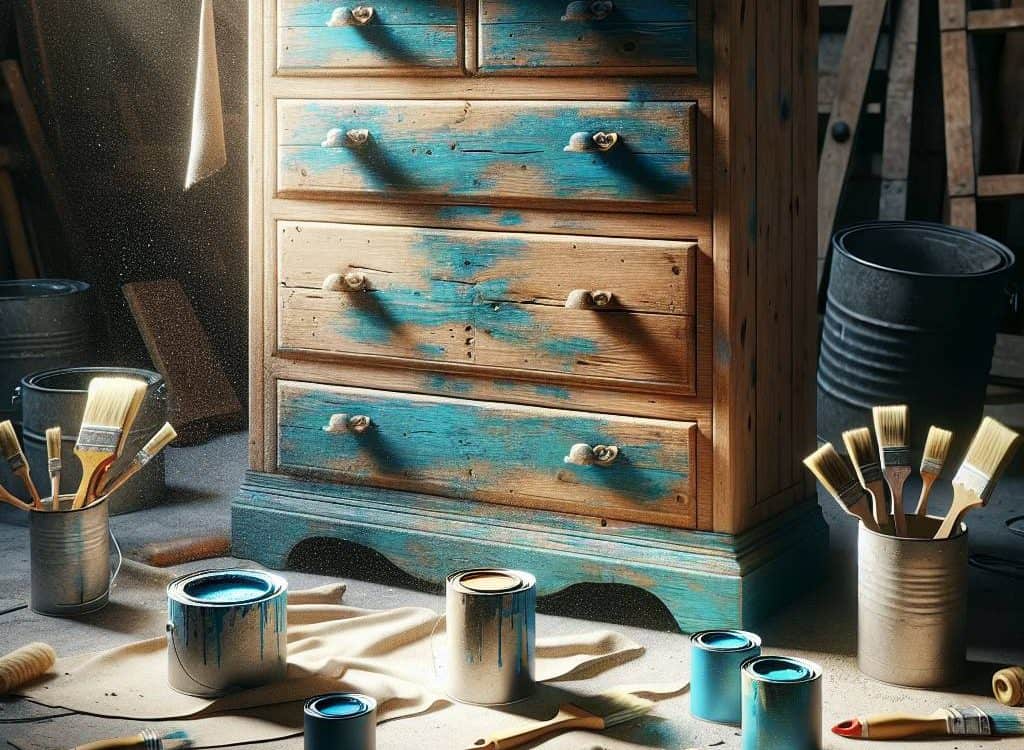
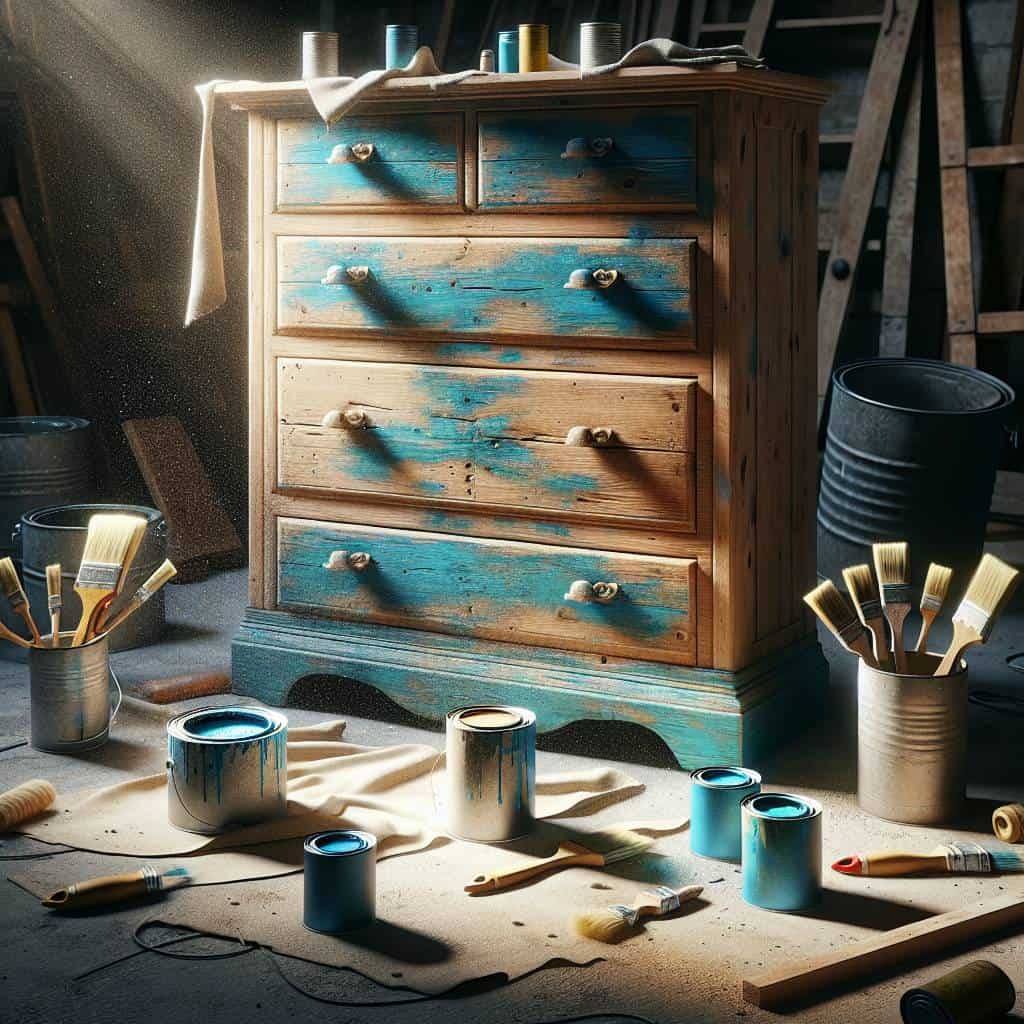
I’ve got this old dresser sitting in the corner of my garage, staring at me like a neglected puppy every time I walk by. It’s not like I don’t want to fix it up—I just don’t know if I can handle the commitment. Paint cans gathering dust, brushes that have seen better days, and me, standing there, wondering if I’m about to transform it or end up with a multicolored disaster. But hey, maybe you’re like me, hoping to turn your old, worn-out furniture into something worth showcasing without needing a master’s degree in carpentry. Spoiler alert: it involves more elbow grease than you’d think, but less than you’d fear.
Stick around, and we’ll cover the basics and beyond—sanding that surface so it’s smoother than a politician’s promise, priming without losing your mind, picking the right color (because yes, it matters), and sealing the deal with finishing techniques that even I can handle. We’re diving into a world where creativity meets practicality, and I promise, by the end, you’ll have a piece that’s not just upcycled, but reborn. So grab your paintbrush, and let’s see if we can’t make this more fun than an afternoon of watching paint dry.
Table of Contents
- Why Sanding is My Archenemy and Priming is My New Best Friend
- Sanding: The Necessary Evil That Tests My Patience
- Priming: The Unsung Hero of Furniture Makeovers
- Slap Some Color on That Relic: Easy Paint Tricks for the Furniture-Challenged
- Paint Your Way to Furniture Glory: Your No-Nonsense Guide
- A Stroke of Genius
- Slapdash Solutions: Painting Your Way to Furniture Glory
- The Paint-Splattered Path to Furniture Redemption
Why Sanding is My Archenemy and Priming is My New Best Friend
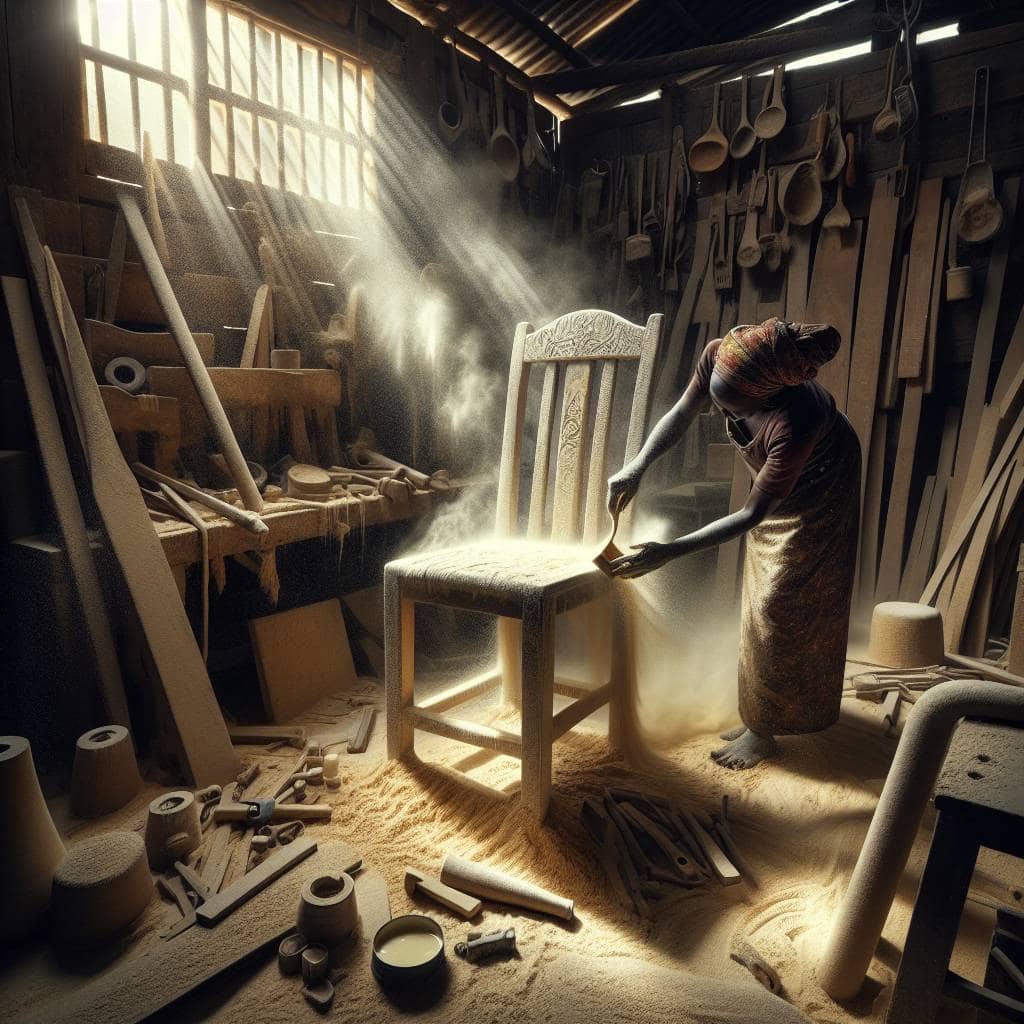
Let’s get one thing straight: sanding and I have a long-standing feud. It’s the kind of relationship where you try to make it work for the sake of the kids (or, in this case, the furniture), but the resentment runs deep. Sanding is that tedious, dusty chore that leaves my workshop looking like the aftermath of a sawdust storm. Every time I pick up that sandpaper, I feel like I’m stuck in an endless loop of scratch, wipe, repeat. It’s a gritty grind that demands patience I simply don’t have. Sure, sanding is supposed to smooth out the rough edges, but sometimes it feels like it’s just roughing up my mood instead.
Enter priming, my savior with a silky smooth touch. Unlike its abrasive cousin, priming is all about creating a perfect canvas—a fresh start that promises possibilities. It’s like the fairy godmother of furniture upcycling, waving its magic wand to make sure the paint sticks and shines. Skipping the primer is like trying to bake a cake without preheating the oven. Sure, you could do it, but why set yourself up for a half-baked result? Priming sets the stage for vibrant colors and creative finishes to truly pop, transforming even the most lackluster piece into a showstopper.
In the quest for upcycle glory, priming is my trusty sidekick, while sanding remains that necessary evil lurking in the shadows. But with a little grit and a lot of primer, even the most woeful furniture can rise from the ashes of neglect. So, if you’re like me—impatient but determined—embrace priming as your ally in this paint-splattered journey. Together, we might just turn that chipped, old dresser into a masterpiece worthy of a proud spot in the living room.
Sanding: The Necessary Evil That Tests My Patience
There’s a special kind of torment reserved for those of us who find ourselves elbow-deep in a sanding project. Picture this: you’re standing there with grit in your teeth and a cloud of dust around you that could rival the Sahara. The repetitive motion is like some kind of medieval punishment designed to test my resolve. Each pass of the sandpaper over wood feels like an eternity, and just when you think you’re done, you spot another rough patch. It’s a relentless cycle of grit and grind, with the promise of smooth perfection dangling just out of reach.
But here’s the kicker—sanding is the gatekeeper to that pristine finish we all crave. It’s the step you can’t skip if you want your paint or stain to adhere like it should. So I grit my teeth (pun intended) and soldier on, knowing that each swipe brings me closer to a masterpiece. It’s a love-hate relationship, this sanding business, testing my patience while whispering sweet promises of a flawless surface. And as much as I rail against it, I know deep down it’s a necessary evil on the road to DIY glory.
Priming: The Unsung Hero of Furniture Makeovers
Ever found yourself staring at a piece of furniture, one that looks like it’s survived a hurricane, and thinking, “Where do I even start?” Priming is your answer. It’s the unsung hero that steps in like a trusty sidekick when you’re ready to give that old dresser a new lease on life. Think of primer as the secret sauce that makes the paint stick like a barnacle to a ship’s hull. Without it, your carefully chosen paint color will peel and flake faster than you can say, “DIY disaster.”
I used to skip priming, thinking it was just an extra step invented by paint companies to sell more products. Spoiler alert: I was wrong. Primer not only creates the perfect canvas by smoothing out those pesky imperfections, but it also covers up stains and knots that threaten to ruin your masterpiece. It’s the unsung hero that takes the furniture from “meh” to “wow, did you buy that?” So, trust me, slap on some primer and watch it transform your thrift-store find into a conversation starter that even your mother-in-law will envy.
Slap Some Color on That Relic: Easy Paint Tricks for the Furniture-Challenged
- First things first, sand the heck out of that thing—unless you want your new masterpiece to look like it’s been through a war zone.
- Prime time isn’t just for TV; slap on a coat of primer to give your paint something to cling to, unless you’re into the peeling look.
- Let’s talk color: choose something that doesn’t remind you of your grandma’s old couch unless you’re going for that retro vibe.
- Once you’ve slapped on the paint, let it dry—seriously, patience is a virtue here, or else you’ll end up with a sticky mess.
- Finish strong with a topcoat, because you didn’t put in all this effort just to let a coffee mug ruin your masterpiece.
Paint Your Way to Furniture Glory: Your No-Nonsense Guide
Sanding: Not optional, folks. A rough surface is a bad canvas. Sand like you mean it, or prepare to watch your masterpiece chip away faster than a cheap manicure.
Priming: Think of it as your furniture’s morning coffee. Skipping it is a rookie move. A good primer will make sure your colors pop and stick like they’re supposed to.
Creative Techniques: Don’t just slap on a single color and call it a day. Experiment with layering, distressing, or even stencils. Your furniture should tell a story, not just sit there like a wallflower.
A Stroke of Genius
You don’t need a master’s degree to turn that beat-up dresser into a masterpiece—just a brush, some paint, and a willingness to embrace the beauty of imperfection.
Slapdash Solutions: Painting Your Way to Furniture Glory
Do I really need to sand my furniture before painting?
Look, if you want your paint to stick like a cat to a sunbeam, a little sanding goes a long way. But hey, if ‘rustic’ is your middle name, skip it and call the bumps character.
Is priming absolutely necessary, or can I just wing it?
Sure, you can wing it, but then you’d better embrace that patchy finish. Priming is like insurance for your paint job: you hope you don’t need it, but you’ll regret it if you skip it.
How do I pick the right paint for my old furniture?
Go for a paint that can take a beating—like chalk or milk paint if you’re feeling artsy. And remember, the wrong color will haunt you every time you walk by, so choose wisely.
The Paint-Splattered Path to Furniture Redemption
As I stand back and admire the once-decrepit table now basking in its newfound glory, a sense of triumph washes over me. Who knew that a couple of paint cans and a bit of elbow grease could transform a piece of furniture—and maybe even a person? This journey wasn’t just about covering up the sins of neglect with a fresh coat of color. It was about learning to see potential where others see garbage, about finding joy in the imperfections that make each piece unique.
Every brushstroke taught me something new, from the importance of a solid primer to the creative freedom in choosing a color that speaks to my soul. And let’s not forget the finish; the cherry on top that seals your hard work into a lasting statement. Upcycling isn’t just a hobby; it’s a love affair with possibility. So here’s to more adventures with paint and primer, and the endless potential of what was once considered lost.

Leave a Reply
You must be logged in to post a comment.